
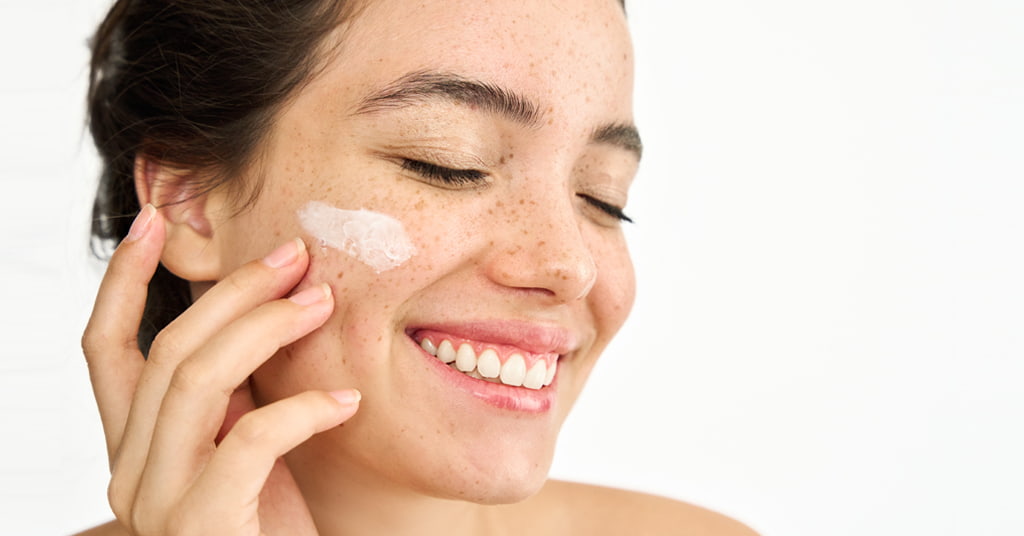
Finding the right sunscreen can be a challenge, especially when you have sensitive and acne-prone skin. Heavy oils, fragrances in some sunscreens can clog pores, irritate the skin, or cause breakouts.
Sun or UV exposure can worsen acne by causing inflammation and scarring. Choosing a sunscreen that protects your skin without irritation is essential for clear, healthy skin.
In this guide, we’ll show you how to choose sunscreen for sensitive acne-prone skin, that will keep you protected from harmful UV rays and give a radiant glow.
Highlights
- How to Choose the Right Sunscreen?
- How to Apply Sunscreen for Acne-Prone Skin
- Why Sunscreen is Essential for Acne-Prone Skin
- Takeaway
- FAQ’s
How to Choose the Right Sunscreen?
When choosing sunscreen for sensitive, acne-prone skin, a few key factors need to be considered to ensure both protection and skin health for sensitive, acne-prone skin:
1. Look for Non-Comedogenic, Oil-Free Formulas
When choosing a sunscreen for acne-prone skin, look for products labeled “non-comedogenic” and “oil-free”. These formulations are designed not to clog pores, a key factor in preventing breakouts. Acne-prone skin tends to react to excess oils and thick creams, so opt for lighter, oil-free options that won’t add to your skin’s oil production.
2. Choose a Mineral Sunscreen
Mineral sunscreens are generally gentler on sensitive skin and acne-prone skin compared to chemical sunscreens. Look for sunscreens with active ingredients like zinc oxide and titanium dioxide. These ingredients sit on top of the skin and reflect UV rays rather than absorbing them, reducing the risk of irritation. They’re also less likely to cause breakouts and inflammation.
3. Pick a Matte Finish or Gel-Based Formula
If you have oily or combination skin, a matte finish sunscreen can help control shine throughout the day. Gel-based or water-based formulas are lightweight and often more suitable for oily skin, ensuring your sunscreen won’t feel heavy or greasy. Gels and fluids are absorbed quickly and leave a smooth finish, making them ideal for acne-prone skin.
4. SPF 30 or Higher for Adequate Protection
For acne-prone and sensitive skin, sunscreen with at least SPF 30 is recommended. SPF 30 offers broad-spectrum protection, shielding the skin from both UVA and UVB rays. UV rays can worsen acne by causing inflammation, redness, and pigmentation or scarring, so make sure you’re getting adequate protection every day.
5. Fragrance-Free and Hypoallergenic Formulas
Fragrance and alcohol can be problematic for acne-prone and sensitive skin. Opt for fragrance-free and hypoallergenic sunscreens, as these are less likely to trigger allergic reactions or irritation. Always choose products that are dermatologically tested for sensitive skin to ensure they are gentle and non-irritating.
6. Broad Spectrum Protection
A broad-spectrum sunscreen protects you against both UVA and UVB rays. UVA rays penetrate deeper into the skin, contributing to premature aging and worsening hyperpigmentation, while UVB rays cause sunburn and damage the skin’s surface. Make sure your sunscreen provides protection from both types of UV radiations.
These insights will assist you in answering the question of how to choose sunscreen for sensitive skin.
How to Apply Sunscreen for Acne-Prone Skin

To ensure you’re getting the most out of your sunscreen, here are a few tips on how to apply it properly:
- Apply generously: Most people don’t apply enough sunscreen. For your face, use about a 3-finger length amount or roughly 1/2 teaspoon to ensure full coverage.
- Reapply every 2 hours: Sunscreen wears off over time, especially if you sweat, swim, or touch your face. Reapply every 2 hours for continuous protection.
- Don’t forget your neck and ears: Often, people focus on their face and neglect areas like the neck and ears, which are just as susceptible to sun or photo damage.
- Use sunscreen even on cloudy days: UV rays can penetrate through clouds, so it’s important to wear sunscreen every day, no matter the weather.
Why Sunscreen is Essential for Acne-Prone Skin

Using sunscreen daily is crucial for maintaining healthy, clear skin. Here’s why it’s especially important for acne-prone skin:
- Prevents UV-Induced Inflammation: UV rays can worsen acne by causing inflammation, redness, and swelling.
- Reduces Hyperpigmentation: Sunscreen prevents dark spots and scars from becoming darker due to sun exposure.
- Prevents Premature Aging: Protects the skin from wrinkles, fine lines, and sagging caused by UV damage.
- Protects Sensitive Skin: Sunscreen shields skin from sunburn and irritation, especially when using acne treatments.
- Prevents Skin Cancer: Sunscreen reduces the long-term risk of skin cancer caused by prolonged sun exposure.
Takeaway
When picking the best sunscreen for acne-prone skin, go for options that are light, non-comedogenic, and free of strong fragrance or alcohol that could irritate your skin.
Sunscreens with zinc oxide or titanium dioxide are great choices since they protect without clogging pores.
And don’t forget, wearing sunscreen every day is super important not only to prevent acne flare-ups but also to keep your skin looking younger and avoid dark spots.
Make it a habit, and your skin will thank you in the long run!
FAQ’s
1. Can sunscreen cause acne?
Sunscreens designed for sensitive and acne-prone skin are typically non-comedogenic, meaning they won’t clog pores or cause breakouts. However, using a sunscreen that contains heavy oils, or irritating ingredients could potentially trigger acne. Always opt for oil-free, lightweight, and non-comedogenic formulas to avoid this.
2. Is mineral sunscreen better for acne-prone skin?
Yes, mineral sunscreens, especially those containing zinc oxide or titanium dioxide, are often better for acne-prone skin. They are less likely to irritate the skin and don’t clog pores. Mineral sunscreens sit on top of the skin, providing a physical barrier that reflects UV rays.
3. How often should I reapply sunscreen if I have acne-prone skin?
You should reapply sunscreen every two hours, especially if you’re spending time outdoors. If you’re sweating, swimming, or touching your face frequently, you may need to reapply more often. Even on cloudy days, sunscreen should be applied regularly to protect your skin.
4. Can I use sunscreen if I’m using acne treatments like retinoids or salicylic acid?
Yes, sunscreen is essential when using acne treatments like retinoids or salicylic acid. These treatments can make your skin more sensitive to the sun, increasing the risk of sunburn and irritation. A broad-spectrum sunscreen helps protect your skin while using acne medication.